
Working Smarter: How I Use AI in My Creative Workflow
A few years ago, I never imagined I’d be using AI as part of my creative process. If someone had told me that I’d be collaborating with it on my portfolio, I probably would have laughed. Yet here I am, learning to work with a technology that’s still finding its feet. I’ll admit, I was cautious at first, especially with all the conversations about ethics and AI-generated art. Over time, though, I’ve come to see it as another tool that helps me work faster and think bigger. It isn’t flawless, but it’s powerful, and I’d rather learn to use it than fall behind.
Finding Creativity in Collaboration
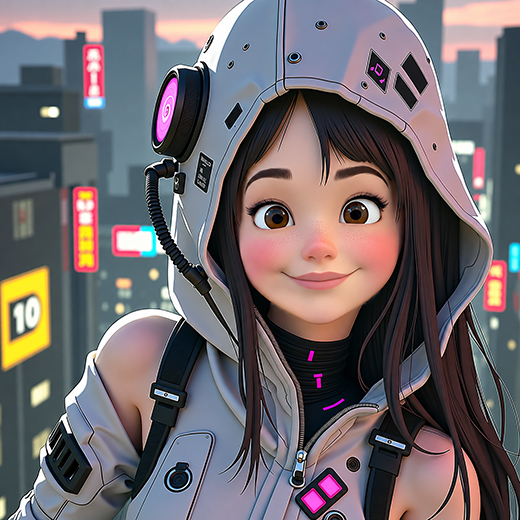
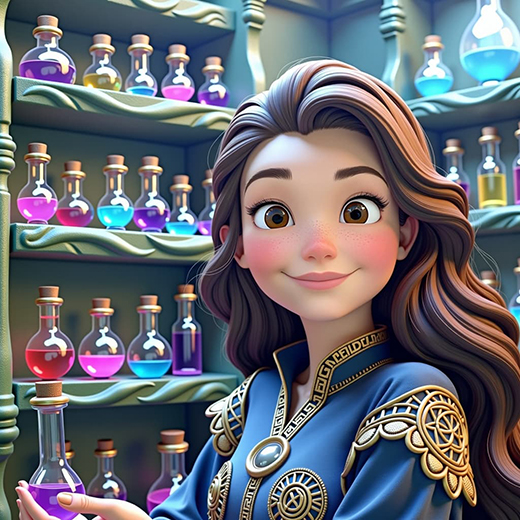
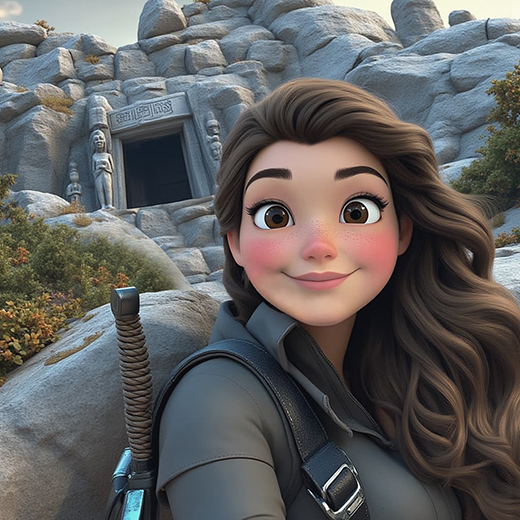
Generative AI has become a creative partner in my workflow. I use it to explore ideas, refine layouts, and create animations. Getting great results still depends on writing the right prompt, so the process requires experience and experimentation. Sometimes AI produces brilliant results, and sometimes it gives me something so strange it makes me laugh. That unpredictability keeps things interesting and reminds me that creativity often comes from having a sense of humour and thinking outside of the box.
What I love most is when an idea clicks in an unexpected way. When AI helps me link two unrelated concepts and turn them into something visual, funny, or clever, that’s where the magic happens. It helps me express ideas faster, look at challenges from a different angle, and keep my creativity moving forward.
Building on Real Design Experience
My background is rooted in production design. I’ve worked with Illustrator, Photoshop, CorelDraw, and other vector programs to prepare files that meet real-world production standards. That includes fixing poorly designed logos, checking images for resolution, and performing pre-press quality checks so everything meets output requirements.
I’ve matched Pantones, converted colors, and worked with vinyl materials where accuracy is everything. In sandblasting, for example, line thickness determines whether a stencil can even be cut and applied to a stone. For multilevel signage, I’ve learned to consider how materials behave once they leave the computer screen: grain direction, glass thickness, hole placement – every small detail that keeps a design functional. Those experiences taught me precision and problem-solving, lessons I now apply to every creative challenge.
Expanding into Digital Marketing
In recent years, I’ve grown into the digital side of creativity. I’ve managed Amazon PPC ads, optimized content using SEO tools such as Rank Math, and worked with Google Tag Manager, Google Analytics, Google Search Console, and Site Kit. I enjoy researching and selecting the best keywords I can find for each project while continuously learning more about search intent and SEO strategy. I also understand how platforms like Mailchimp contribute to larger marketing campaigns.
The Creative Future
My passion project Fantasy Fusion AI shows what happens when human creativity and AI work together. From story ideas to image generation and animation, I use AI to speed up the process and bring ideas to life. Adding transitions, effects, and sound transforms those pieces into full creative stories. What would take weeks can now be completed within a matter of hours.
Writing educational content for Fantasy Fusion AI has become one of my favourite creative challenges. Beyond researching and writing each article, I enjoy optimizing page structure, metadata, headings, and images while using tools like Rank Math to validate on-page SEO. I’m continually learning more about keyword research and search intent, and every article helps me build on that experience.